
Set up a stall. Deal with what comes.
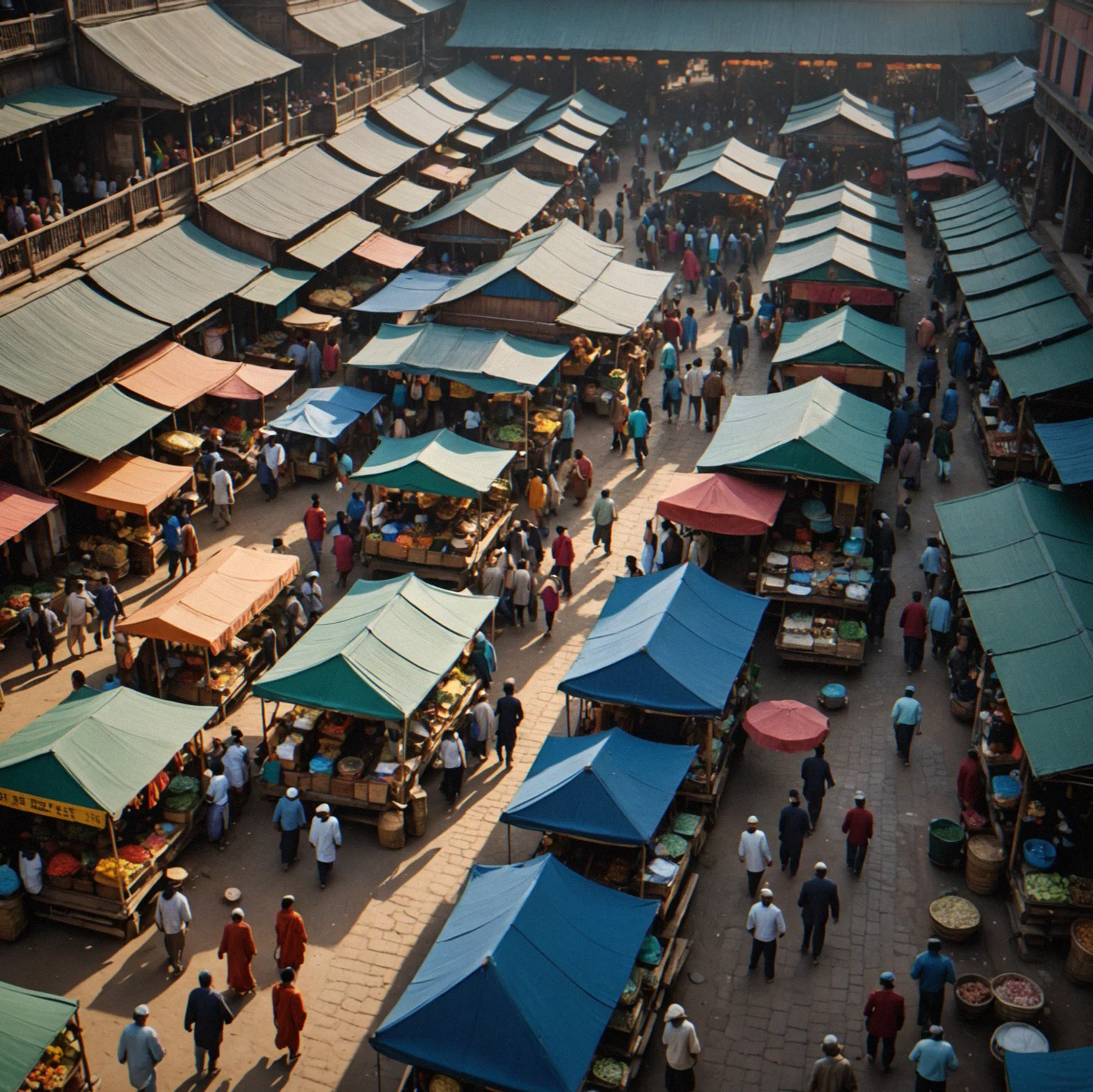
Prices change every game day. Vendors shuffle in and out. Rent doesn't stop.
You're not setting up a shop and letting it print money. You're hunting for vendors who actually show up, watching what people want shift overnight, and figuring out if that spot costs too much when profits are already thin. Where you place the stall, when you stock it, who's selling what—it all matters. The market keeps moving whether you're ready or not.
The market doesn't sleep
Close up shop and everything changes overnight. Prices shift based on what everyone's buying and selling. New vendors roll in with different stuff. Old ones disappear. That copper wire you grabbed for 8 gold? Now it's 14 because half the server decided the same thing. If you're sitting on 200 units betting they'll bounce back, you might be waiting a while. The whole thing runs on a simple idea—every move you make affects the next ten moves you get to make.
Daily price shifts
The algorithms recalculate every in-game day based on supply and demand. It's not just buy low and sell high anymore—you're racing the market swings, timing your moves around when things are about to crash or recover.
Rotating vendor stock
Scout NPCs refresh their inventory every few days with completely different goods. You've got to learn who carries what and when they restock if you want to snag anything rare.
Location economics
A corner plot pulls in way more customers but you're paying around 45 gold daily in rent. The back alley stall won't drain your wallet but you'll get almost no traffic. The costs add up fast depending on where you set up.
What you're actually doing

Scout vendors at dawn
Each in-game day brings three to five NPC merchants with random stock. You walk the market, check their prices, figure out when they restock. Knowing who has what cheap is basically the whole strategy.
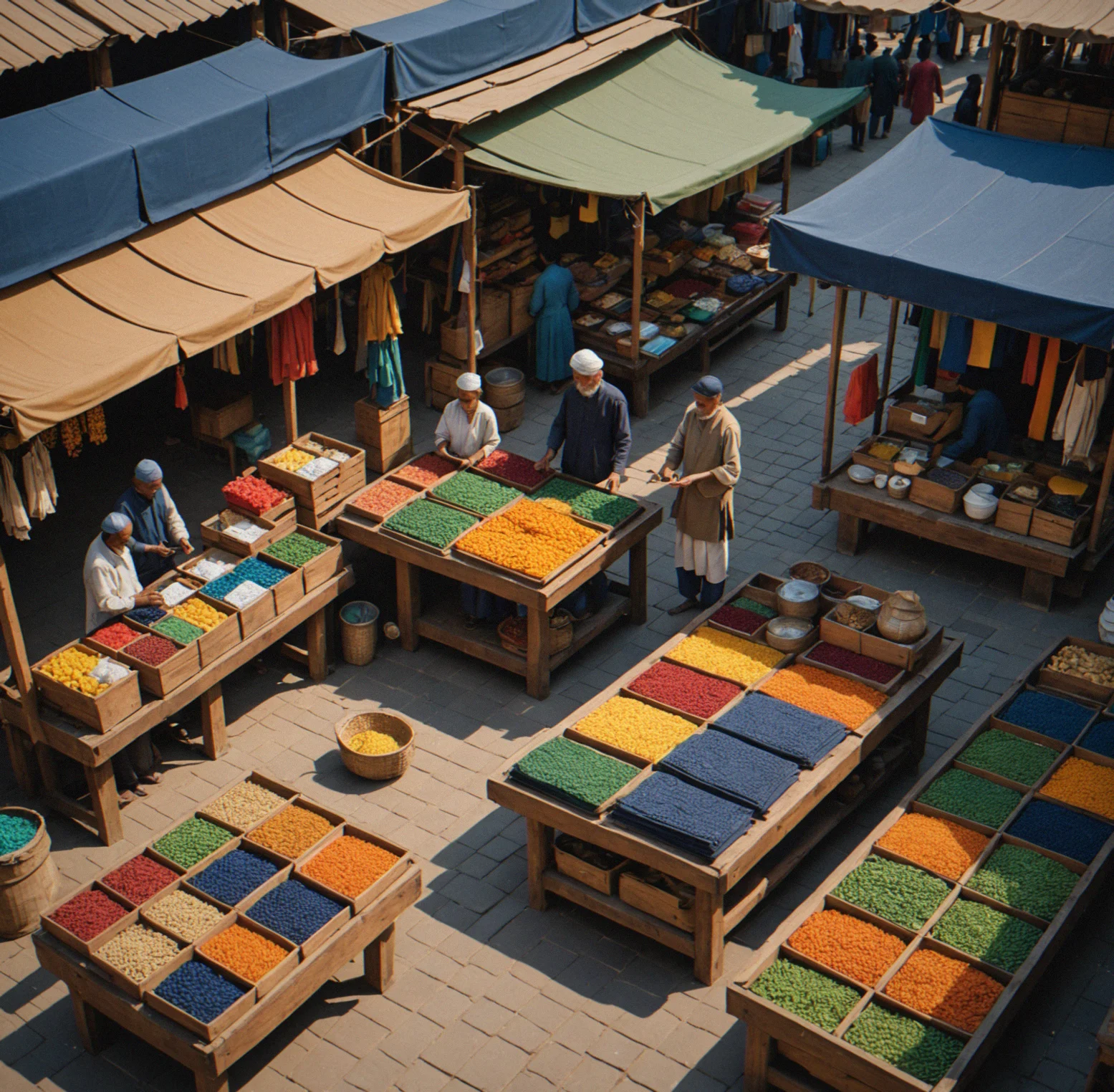
Buy, stock, price
Your shelf space is limited. A unit of expensive wine takes the same slot as bread but sells for less per day. You're balancing inventory density against profit, then pricing everything before the market shuts down at sunset.

Watch the crash
Someone dumps several hundred units of copper wire on the market. Prices tank from what you paid down to half that. You're sitting on 50 units. Do you cut losses now or gamble on recovery? There's no good answer.

Location economics
Corner plot runs you 45 gold per day but gets more foot traffic. Mid-row is quieter and cheaper at 18 gold. Back alley barely costs anything but nobody walks there. Your daily sales have to cover rent or you're losing money every cycle. Moving costs 30 gold, so you need to calculate whether the switch pays for itself.

Arbitrage the gaps
A rotating vendor sells something for 22 gold. The main market will take it for 31. You execute the flip before prices normalize. Veterans spot vendor patterns and move fast. Newer players learn about margins the hard way, slowly.

Manage your cash
Rent, restocking, relocation—money disappears fast. You need capital to scale. Hold too much and price swings wreck you. Hold too little and you miss sales. The pressure compounds every day.

React or collapse
Passive doesn't work here. Skip a day and prices shift, vendors change, competition moves in. You adapt or your stall fails. That's the game.
Marketplace in action
Want to know what actually happens here day to day? You're scouting vendors, keeping track of what's in stock, watching prices shift as things sell. That's the job.
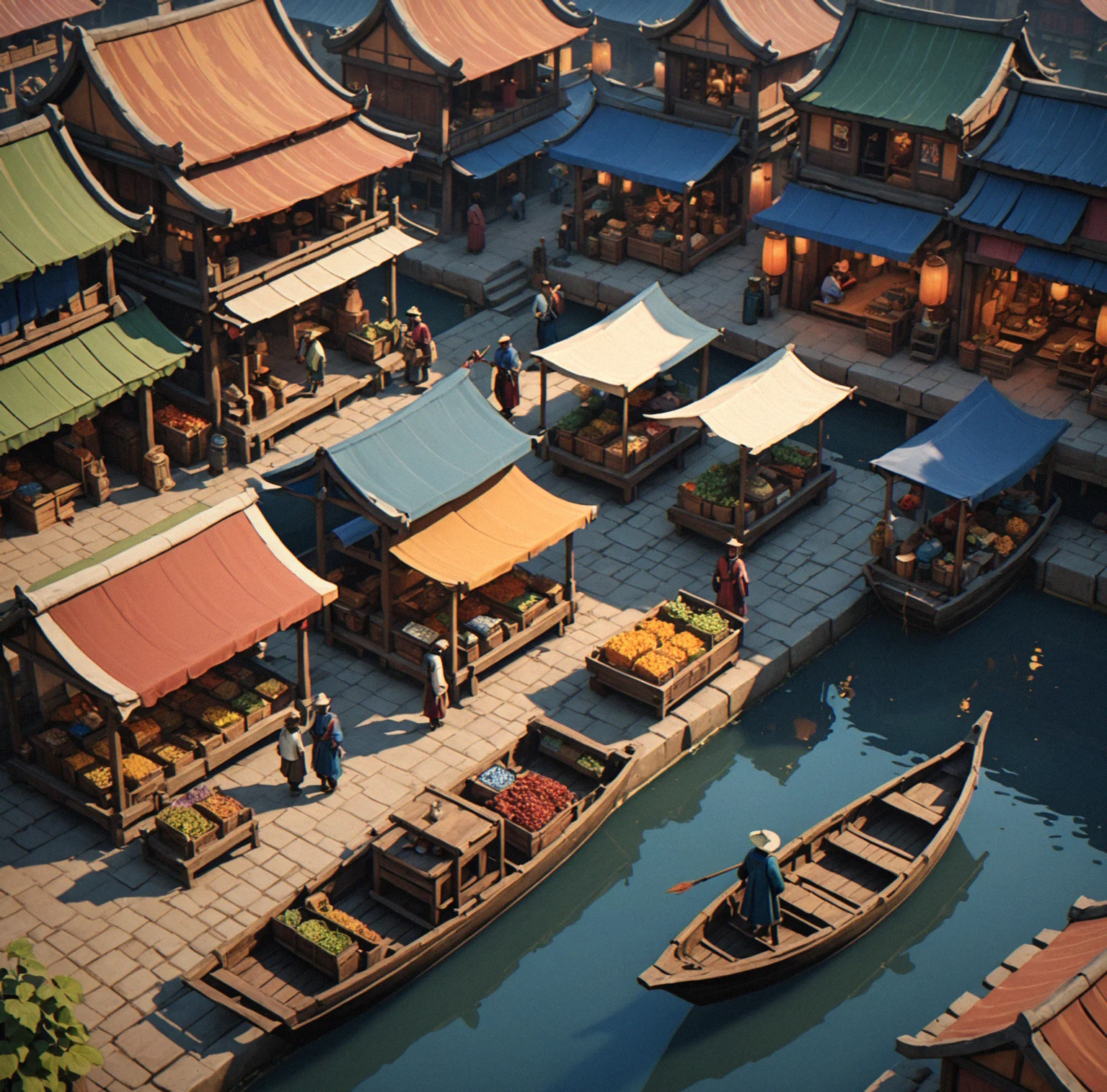
Merchant haggling with an NPC vendor over rare enchanted scrolls. You can see the price display and item details on hover.
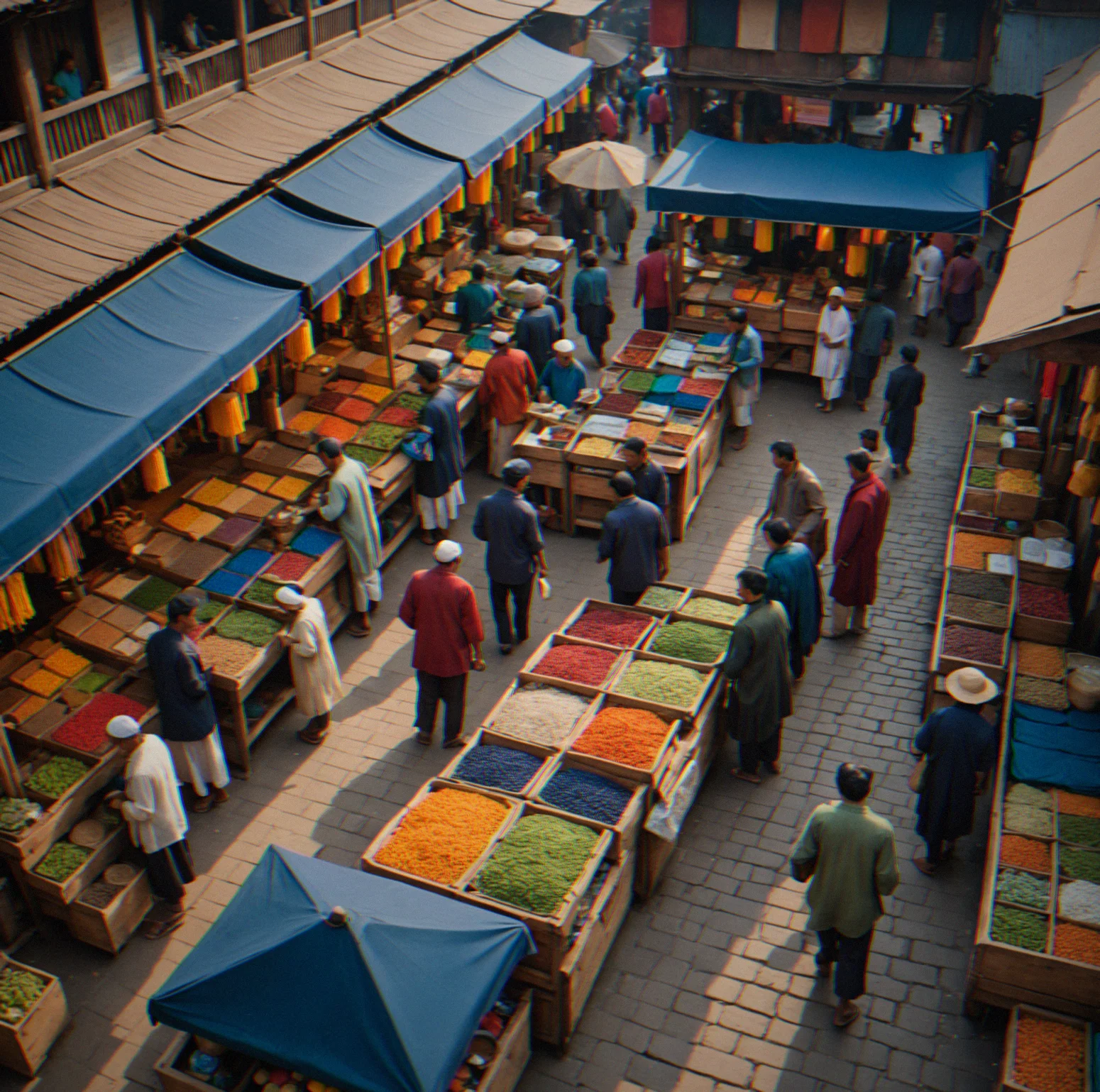
Inside view of a merchant stall with shelves organized by type, price boards on the walls, customers looking around at different items

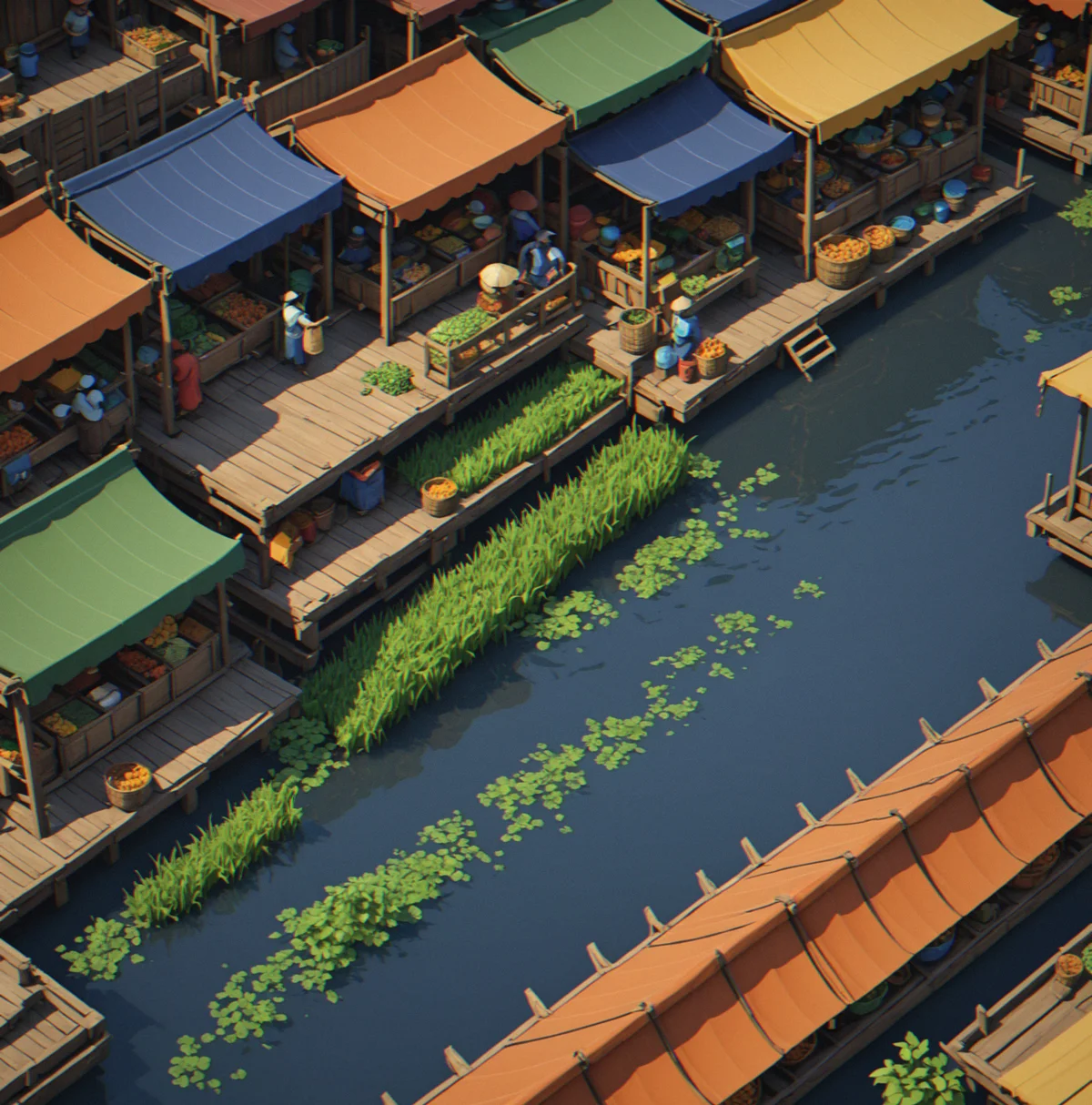
Overhead shot of the whole marketplace. Multiple stalls are open, NPCs moving between them, vendor signs updating prices in real time
This isn't just a shop builder
Static shops put you to sleep. ArcadiaMarket makes you think or you lose.
Prices shift every single day
The market recalculates prices each in-game day based on what people are actually buying and what vendors stock. Copper wire at 8 gold today? It's 14 tomorrow, then 6 the day after. You're always hunting a moving target. Being fast matters more than being lucky.
Vendors come and go. Inventory changes.

Scout NPCs swap out every few days with fresh stock. Getting rare goods means you have to track when they show up, grab what you need before someone else does, and know what's coming next. That's where your advantage is.
Your spot is locked in. Pick carefully.

Prime corner. Dead-end alley. Middle of the row. Each location has its own rent and customer flow. Moving costs you gold. That initial choice keeps hitting your wallet every day, so get it right from the start.
Common questions
Things people ask before they start
New players tend to worry about the same things. Here's what actually happens.
Not really. Every in-game day the market resets. Supply and demand shift things around constantly. Skip checking your stall for a couple days while you're holding 100 units of something? You could wake up to find that whole category has tanked—maybe 40 percent down—and you're stuck with inventory worth way less than what you paid for it. You've got to stay on top of it. Scout, adjust prices, react to changes. Set it and forget it doesn't work here.
Moving to a new spot runs you 30 gold. That stings, sure, but it's doable if you've got decent margins. Restocking takes a day. You can course-correct. The real hit is opportunity cost and how long it takes to bounce back. Out of eight new players who start the same day, roughly five will restart within a week (which is totally normal—you learn by trying things).
There's actually a pattern underneath. Vendors rotate their inventory every few days, pulling from different pools each time. Players who've been around for a while map out these rotations and use that knowledge to their advantage. When you're satrting out, you're just wandering the market and discovering vendors as you go. But after you've scouted around for a week or so of in-game time, the cycles start becoming obvious.
You can absolutely play casually. One in-game day runs somewhere between 15 and 20 minutes. Open your stall, check the vendors, tweak your prices, shut down at sunset. Then you're done. Log back in tomorrow if you want. Nothing's timing you out. The market keeps moving while you're gone, sure—prices shift around, new inventory shows up—but that's the whole idea.